Creating a comfortable and inviting home office is essential for anyone working remotely or managing tasks at home. A cozy workspace not only enhances your mood but also improves focus and productivity. Whether you have a small nook or a dedicated room, these simple tips will help you design a home office that feels welcoming and efficient.
Choose the Right Location
Consider Natural Light
Natural light positively affects your mood and energy levels. Try to place your desk near a window to take advantage of daylight. If natural light is limited, use adjustable lighting that mimics daylight to reduce eye strain.
Minimize Distractions
Choose a quiet spot away from high-traffic areas to help you maintain focus. If private space is scarce, consider room dividers or noise-canceling headphones to create a sense of separation.
Invest in Comfortable Furniture
Ergonomic Chair
An ergonomic chair that supports your back is crucial for comfort during long working hours. Look for adjustable features to fit your body and promote good posture.
Functional Desk
Select a desk size that suits your needs without overwhelming the space. Desks with storage options can help keep essentials within reach and reduce clutter.
Personalize Your Space
Add Soft Textiles
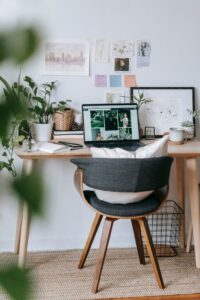
Incorporate cozy elements like cushions, a soft rug, or a throw blanket to make your office feel more inviting. These textures add warmth and comfort to the environment.
Choose Calming Colors
Colors can influence your mood. Soft, neutral tones like beige, pale blue, or muted green create a relaxing backdrop that encourages productivity without distraction.
Decorate Thoughtfully
Include personal touches such as photos, artwork, or meaningful objects that inspire you. However, avoid overcrowding the space to maintain a calm atmosphere.
Organize for Efficiency
Use Storage Solutions
Keep your workspace tidy with shelves, drawers, or baskets to store supplies and documents. Labelled containers can make it easier to find what you need quickly.
Declutter Regularly
Set aside time each week to clear unnecessary items. A clutter-free desk helps maintain focus and reduces stress.
Improve Lighting
Layered Lighting Approach
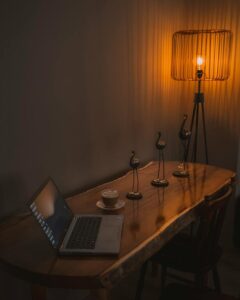
Use a combination of ambient, task, and accent lighting. A desk lamp is essential for focused work, while softer lamps or string lights add warmth to the room.
Avoid Glare
Position screens perpendicular to windows and use curtains or blinds to control sunlight, reducing glare on monitors.
Incorporate Greenery
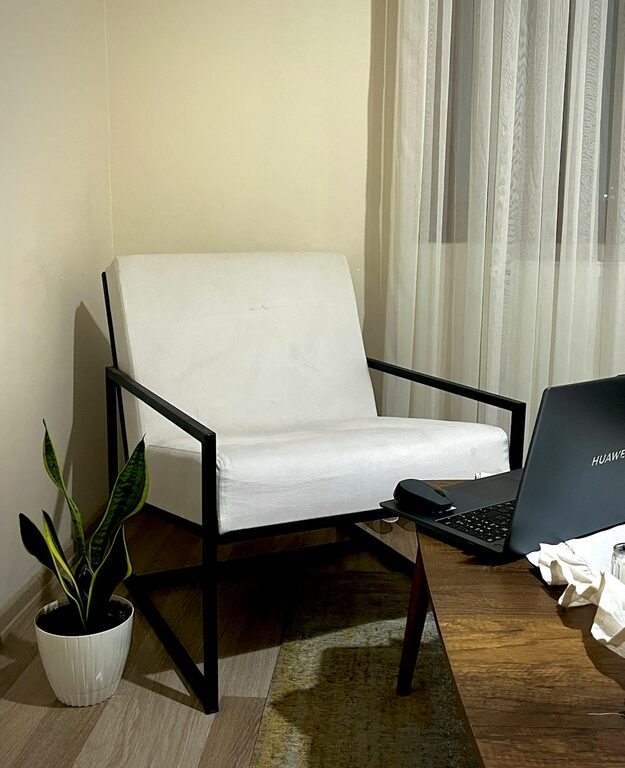
Adding plants to your home office enhances air quality and adds a touch of nature. Choose low-maintenance plants like succulents, snake plants, or pothos to brighten the space without requiring much care.
Manage Cables and Tech
Use cable organizers or clips to keep cords neat and out of sight. Keeping technology streamlined reduces distractions and creates a cleaner workspace.
Set Boundaries for Work and Relaxation
If possible, separate your office space from areas of relaxation. This differentiation helps your brain associate the workspace with productivity and makes it easier to “switch off” after work hours.
Create a Comfortable Climate
Ensure your workspace is well-ventilated and maintains a comfortable temperature. A small fan, heater, or air purifier can make the environment more pleasant during extreme weather.
Final Thoughts
Designing a cozy and inviting home office is about balancing comfort and functionality. By focusing on good lighting, ergonomic furniture, personalized decor, and effective organization, you can create a space that you look forward to spending time in. Start small and adjust your setup as you discover what works best for your routine and style. A well-designed home office can make all the difference in your daily productivity and well-being.