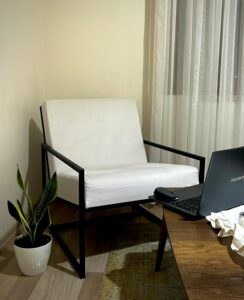
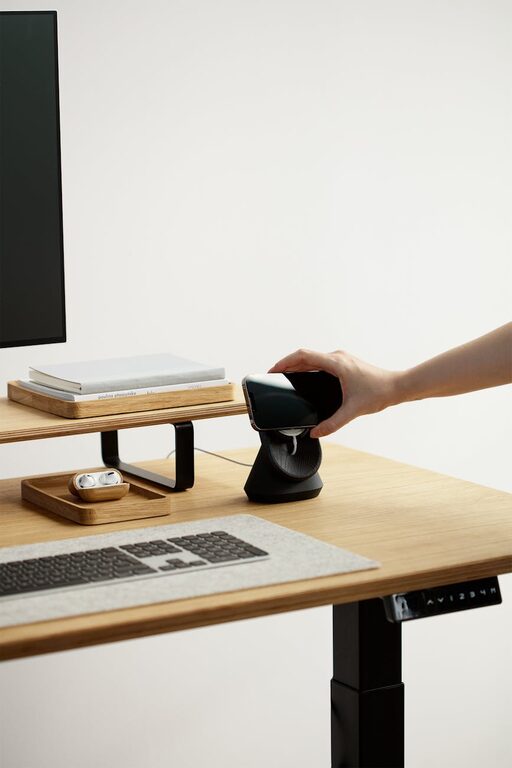
Creating a home office that blends comfort with functionality can boost your productivity and make working from home a more enjoyable experience. Whether you have a dedicated room or a small corner, there are plenty of ways to design a workspace that feels cozy yet supports your daily tasks. Here are some helpful tips to get you started.
Choose the Right Location
Selecting the right spot in your home for your office is key. Ideally, look for a quiet area with natural light to help you stay alert and focused. Avoid high-traffic zones like the kitchen or living room where distractions are common. If space is limited, consider a nook or even a section of your bedroom.
Benefits of Natural Light
– Enhances mood and energy levels
– Reduces eye strain when working on screens
– Creates a more inviting atmosphere
If natural light is scarce, consider adding full-spectrum light bulbs that mimic daylight.
Invest in Comfortable, Ergonomic Furniture
A good chair and desk are essential to avoid discomfort and maintain good posture throughout the day. Opt for ergonomic office chairs that support your back and encourage proper alignment. Your desk should be at a height where your forearms are parallel to the floor when typing.
Tips for Ergonomic Setup
– Keep your monitor at eye level to reduce neck strain
– Use a footrest if your feet don’t comfortably reach the floor
– Consider adjustable desks that allow you to alternate between sitting and standing
Keep the Space Organized
Clutter can quickly eat up your productivity and make your workspace feel cramped. Use storage solutions like shelves, drawers, or filing cabinets to keep supplies and documents in order. Regularly declutter your desk by removing items you don’t use daily.
Organizational Tools to Consider
– Desk organizers for pens, papers, and small items
– Cable management accessories to keep cords tidy
– Labels to easily identify drawers and boxes
Personalize Your Workspace
Make the office feel inviting by adding personal touches. A few well-chosen decorations can lift your spirits without overwhelming the space.
Ideas for Personalization
– Framed photos of loved ones or inspirational quotes
– A small plant for a touch of greenery and freshness
– Comfortable cushions or a soft throw blanket
Minimize Distractions
A cozy home office also means a distraction-free zone where you can focus. Noise-cancelling headphones or a white noise machine can help block out background sounds. Establish clear boundaries with family members or roommates about your work hours to reduce interruptions.
Add Practical Lighting
Good lighting is crucial in a workspace. Besides natural light, include layered lighting options such as a desk lamp with adjustable brightness. This is especially helpful for late-night work or reading smaller print documents.
Incorporate Technology Wisely
Set up your tech tools so they support your workflow without creating clutter. Use wireless devices if possible and position your equipment ergonomically.
Technology Tips
– Regularly update software to avoid tech issues
– Use a quality headset for virtual meetings
– Backup your work digitally to prevent data loss
Maintain a Pleasant Environment
Temperature and air quality often get overlooked but can greatly affect comfort. Ensure your workspace is well-ventilated and at a comfortable temperature year-round. If needed, add a small fan, heater, or air purifier.
Establish a Routine and Take Breaks
Finally, creating a cozy and functional home office is only part of the equation. Maintaining a routine and taking regular breaks can help you stay productive and prevent burnout. Step away from your desk every hour to stretch or walk around.
—
Designing your home office to be both cozy and functional does not have to be complicated or expensive. With careful planning and thoughtful choices, you can create a space where you look forward to working every day. Take the time to customize your office for comfort, organization, and practicality—and watch your productivity and well-being improve.