Creating a relaxing home workspace is essential for anyone who spends significant time working remotely. A well-designed area can help reduce stress, increase focus, and improve overall productivity. Whether you have a dedicated office room or a small corner in your living space, these tips will help you craft a comfortable and inviting environment suited to your work style.
Why a Relaxing Workspace Matters
Working from home offers flexibility but can also bring distractions and discomfort without the right setup. A workspace that feels relaxing and organized encourages better concentration and keeps motivation high throughout the day. When you feel comfortable in your work area, it’s easier to maintain healthy work habits and enjoy your tasks.
Choosing the Right Location
Find a Quiet Area
Identify a spot in your home that experiences minimal noise and foot traffic. This helps reduce interruptions and keeps your mind focused on work. If a separate room isn’t available, consider using room dividers or noise-canceling headphones to create a sense of privacy.
Make Use of Natural Light
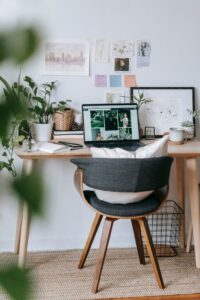
Position your desk near a window, if possible. Exposure to natural light can boost mood and energy levels, reducing eye strain compared to artificial lighting. However, avoid glare on screens by arranging your workspace thoughtfully.
Comfort Is Key
Invest in a Good Chair
Ergonomic seating supports your posture and prevents back or neck pain during long hours. Look for chairs with adjustable height, lumbar support, and comfortable cushioning.
Adjust Desk Height
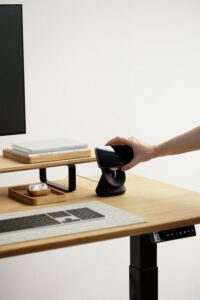
Your desk should allow your elbows to bend at roughly 90 degrees while typing. Proper desk height prevents strain and improves comfort.
Control the Temperature
Keep the room at a comfortable temperature. Use fans, heaters, or open windows as needed to maintain a pleasant environment that helps you focus.
Organize Your Space
Declutter Regularly
A tidy workspace decreases distractions and mental clutter. Clear away unnecessary items and keep only essential tools on your desk.
Use Storage Solutions
Shelves, drawers, and office organizers help keep paperwork, gadgets, and supplies neatly stored and easily accessible.
Personal Touches
Incorporate a few personal items such as plants, photos, or art to make the space inviting. These touches can improve mood and make the environment feel less sterile.
Lighting Tips for Relaxation and Focus
Layer Your Lighting
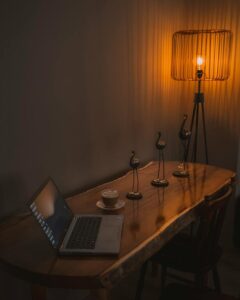
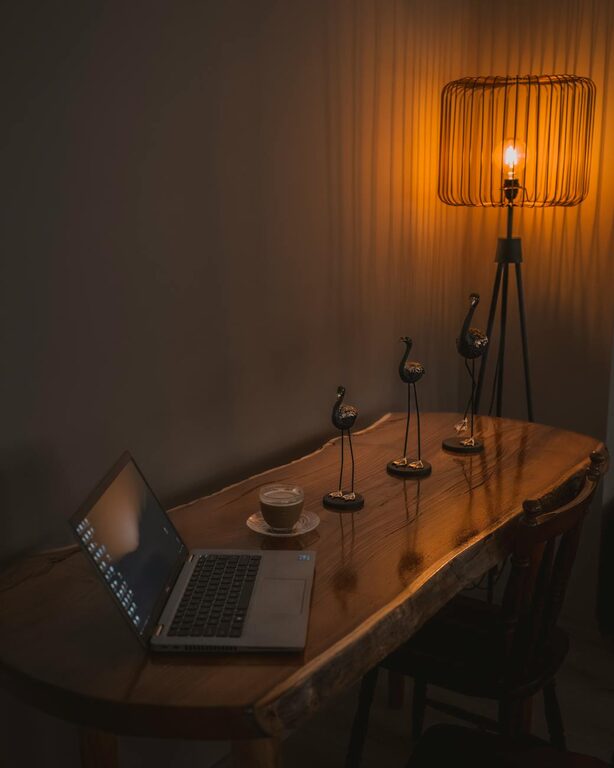
Combine ambient, task, and accent lighting. Use a desk lamp for focused work and softer lighting around the room to reduce eye fatigue.
Choose Warm Light Bulbs
Warm-white bulbs tend to be easier on the eyes and create a cozy atmosphere compared to harsh, cool-white lights.
Minimize Distractions
Manage Technology Wisely
Turn off non-essential notifications and designate times to check emails or messages. This practice helps maintain workflow and reduces stress.
Set Boundaries
Communicate your working hours to family or housemates to limit interruptions during your focused work periods.
Incorporate Break Areas
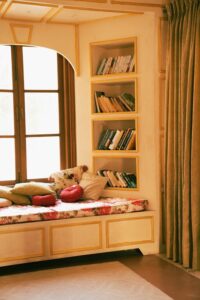
Create a Small Relaxation Spot
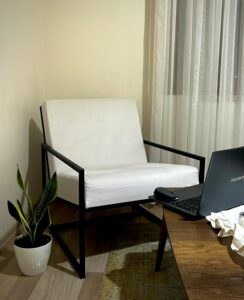
Having a nearby spot to take short breaks, like a comfortable chair or a cushion, encourages brief rest periods, which can improve productivity and reduce fatigue.
Practice Mindfulness or Stretching
Use break time to do simple stretches or mindfulness exercises, helping refresh your body and mind.
Maintain Good Air Quality
Open Windows Regularly
Fresh air can improve cognitive function and overall well-being.
Add Air-Purifying Plants
Plants such as snake plants or pothos not only add greenery but also help clean indoor air.
Keep Hydrated and Snack Smartly
Use a Water Bottle
Keep water accessible to stay hydrated throughout the day.
Choose Healthy Snacks
Nutritious snacks help maintain energy levels and concentration.
Conclusion
Designing a relaxing home workspace doesn’t require a big budget or a large room. By paying attention to lighting, organization, comfort, and personal touches, you can create an environment that supports both productivity and well-being. Remember that small changes can make a big difference in how you feel about your workday. Experiment with these tips and customize your space to suit your unique needs, making working from home a more pleasant and effective experience.