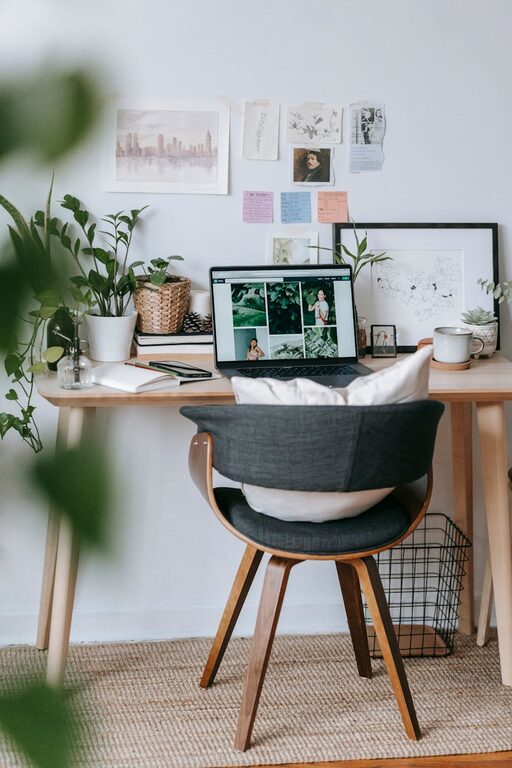
Creating an efficient and comfortable home office within a small space can be challenging, but it’s entirely achievable with the right approach. Whether you work remotely, run a side business, or manage household tasks from your desk, organizing your small home office thoughtfully will help you focus better, reduce stress, and increase your productivity. This post offers practical tips and ideas to help you make the most of your limited space while creating a pleasant work environment.
Why Organizing a Small Home Office Matters
A well-organized home office does more than look neat. It helps you:
– Stay focused by reducing distractions
– Find essential items quickly
– Maintain comfort to prevent strain or fatigue
– Foster a positive mindset toward work
With these benefits, investing time and effort in organizing your small home office is worth it.
Step 1: Choose the Right Location
Even within small spaces, selecting the best spot for your home office is key.
– Natural Light: Position your desk near a window if possible. Natural light can reduce eye strain and improve mood.
– Minimal Traffic: Find a quiet corner away from busy household areas to minimize interruptions.
– Power Access: Ensure easy access to outlets for your computer, lamp, and other devices.
If your space is limited, consider creative options such as a foldable desk, standing desk, or using part of a closet.
Step 2: Invest in Functional Furniture
Small spaces demand multipurpose and space-saving furniture.
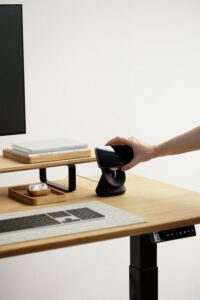
– Compact Desk: Choose a desk that fits your needs without overwhelming the room. Floating desks or wall-mounted options save floor space.
– Ergonomic Chair: Comfort is crucial. Even small offices deserve an ergonomic chair that supports your back and encourages good posture.
– Storage Solutions: Look for desks with built-in drawers or pair your desk with small filing cabinets, shelves, or organizers.
Furniture with clean lines and light colors often helps make the room feel larger and less cluttered.
Step 3: Declutter Regularly
Clutter limits your productivity and comfort. Regularly evaluating and removing unnecessary items is essential.
– Paperless Approach: Whenever possible, go digital to reduce piles of paper. Use apps to manage documents and notes.
– Desk Essentials Only: Keep only daily-use items on your desk to maintain focus.
– Organize Cables: Use cable clips or sleeves to prevent tangles and messy cords.
A clutter-free space instantly feels more inviting and promotes clearer thinking.
Step 4: Maximize Vertical and Hidden Storage
When floor space is tight, think upward and hidden.
– Wall Shelves: Install shelves above your desk to hold books, supplies, or decorative elements.
– Pegboards: A pegboard lets you hang tools and accessories within arm’s reach, saving drawer space.
– Under-Desk Storage: Use baskets or rolling carts under your desk to keep frequently used items accessible but out of sight.
– Storage Boxes: Choose attractive storage boxes or baskets to keep items organized and maintain a clean look.
Organizing in layers keeps your small office functional without feeling crowded.
Step 5: Optimize Lighting
Good lighting reduces eye strain and enhances mood.
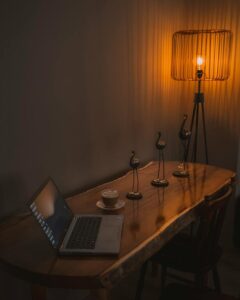
– Layer Your Lighting: Combine general ceiling lights, task lighting (like a desk lamp), and ambient lights to create a comfortable atmosphere.
– Adjustable Lamps: Opt for lamps with adjustable arms or brightness to suit different tasks.
– Avoid Glare: Position screens and light sources to prevent glare on your computer monitor.
Proper lighting helps you work longer comfortably and keeps you energized throughout the day.
Step 6: Personalize Your Space
A small home office can still feel inviting and inspire creativity.
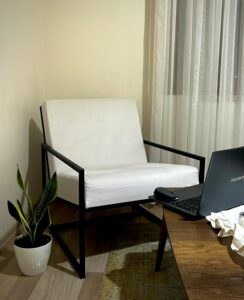
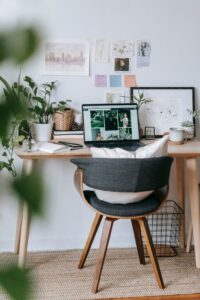
– Add Plants: Small indoor plants improve air quality and add a touch of nature.
– Artwork or Photos: Display a few favorite pictures or artwork to personalize your workspace.
– Color Choices: Use calming or motivating colors through accessories or wall paint to influence your mood positively.
– Comfort Items: Consider a cozy rug or a cushion for your chair to boost comfort without taking much space.
Personal touches make your office a place you enjoy spending time in, which supports productivity.
Step 7: Maintain Routine Clean-Up and Organization
Even a perfectly set up space needs ongoing care.
– End-of-Day Routine: Spend five minutes tidying your desk before finishing work each day.
– Weekly Review: Dedicate time once a week to file documents, clear unnecessary items, and restock supplies.
– Review Layout: Periodically assess your setup to identify and resolve any new challenges or needs.
Consistency ensures your small home office stays a productive and comfortable place.
—
Organizing a small home office is about being strategic with space, furniture, and storage, while also making sure the environment is comfortable and motivational. By following these tips, you can create a workspace that supports your productivity and well-being, no matter how limited your space might be. Happy organizing!